Sussex Premier Health, Hastings: Important update for patients with upcoming appointments

Endometriosis Treatments at Sussex Premier Health

For some women, period pain goes far beyond just a few cramps. It can be debilitating, affecting work, relationships, and daily life. Researchers estimate that 1 in 10 women of reproductive age in the UK suffer from endometriosis. Sussex Premier Health recognises that individuals throughout Sussex and the surrounding areas may feel unheard when they explain their issues, but we’re here to change that. Our gynaecologists and specialists provide comprehensive endometriosis support and care. Keep reading to learn about endometriosis symptoms and how we can help you manage them.

What Is Endometriosis?

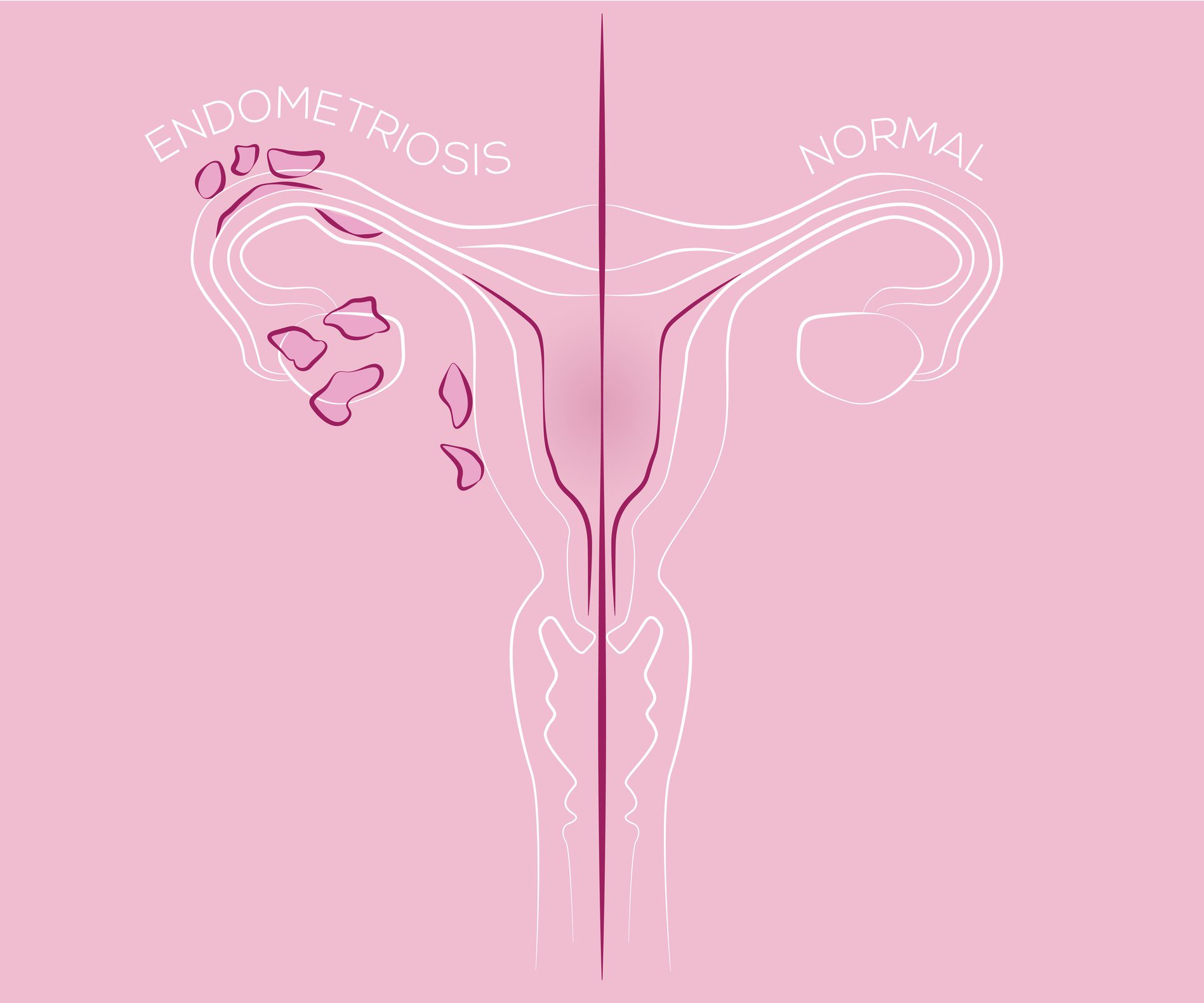
Endometriosis is a long-term condition in which tissue similar to the lining of the womb begins to grow in other areas, such as the ovaries and fallopian tubes. Every month, the womb’s lining thickens to prepare for a pregnancy. If you don’t get pregnant, it breaks down and leaves your body as a period. However, if you have endometriosis, this rogue tissue behaves in the same way. It thickens, breaks down, and bleeds. The problem is that this blood has no way to leave your body. This leads to inflammation, pain, and the formation of scar tissue.
Why us

  • Fast access to treatment when you need it
  • Internationally and nationally renowned consultants
  • Clear, inclusive pricing

Potential Endometriosis Causes

Doctors and scientists aren’t entirely sure what causes endometriosis. However, there are several theories about why it happens:

  • Retrograde Menstruation – This is when period blood flows backwards through the fallopian tubes and into the pelvic cavity instead of leaving the body.
  • Genetics – The condition tends to run in families, so it may be passed down through genes.
  • Immune System Issues – A problem with the immune system may prevent the body from identifying and destroying the endometriosis tissue.
  • Metaplasia – This is a process where one type of cell changes into another. It’s possible for normal pelvic cells to change into endometriosis cells.

Recognising Endometriosis Symptoms

The symptoms of endometriosis can vary significantly from person to person. Some women have severe pain, while others might not have any noticeable signs. Common endometriosis symptoms include:

  • Painful Periods – Some sufferers experience pain that stops them from doing everyday activities.
  • Chronic Pelvic Pain – There may be long-term pain in the lower stomach or back.
  • Pain During or After Sex – This is a prevalent symptom that many women find difficult to discuss.
  • Pain When Going to the Toilet – You may feel pain when defecating or urinating, especially during your period.
  • Difficulty Getting Pregnant – Endometriosis can damage the fallopian tubes or ovaries.
  • Fatigue – Some women often feel unwell or lack energy.

How We Diagnose Endometriosis

Getting an endometriosis diagnosis is the first step toward feeling better. At Sussex Premier Health, we’ll start by discussing your symptoms and medical history. Because symptoms can resemble those of other conditions, such as irritable bowel syndrome, we must be thorough. Our team might suggest the following tests:
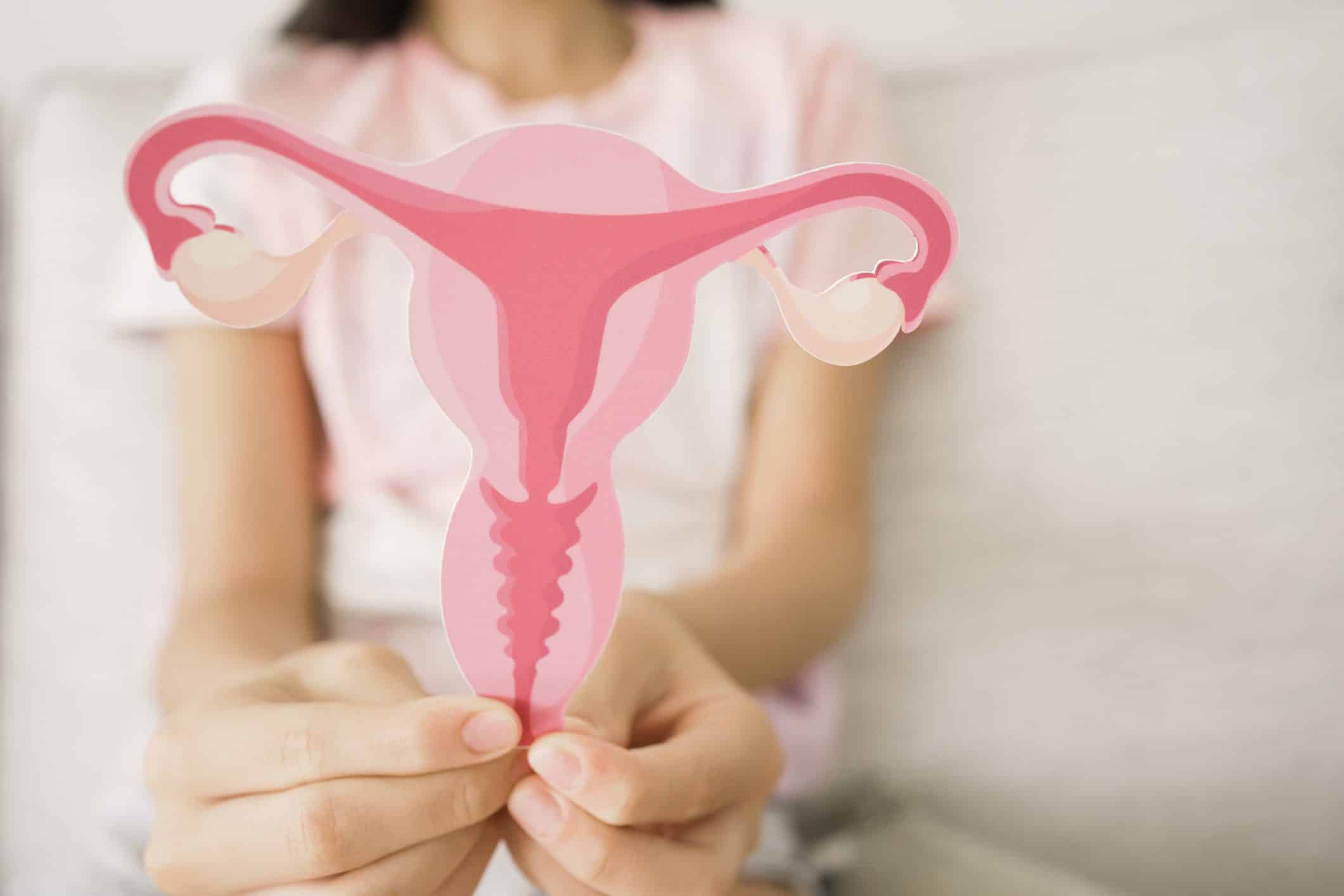
  • Ultrasound Scan – This can help us identify cysts on the ovaries associated with endometriosis.
  • MRI Scan – This provides detailed images of the inside of your body to look for deep endometriosis.
  • Laparoscopy – This is the most accurate way to diagnose the condition. It’s a minor surgery where a surgeon puts a thin tube with a camera through a small cut in your tummy to look for tissue patches.

Understanding the Stages of Endometriosis

Doctors use various stages to categorise endometriosis. These stages are based on the amount of tissue present and its location. However, the stage doesn’t always match the pain level. You can have Stage 1 and be in agony, or Stage 4 and feel fine.
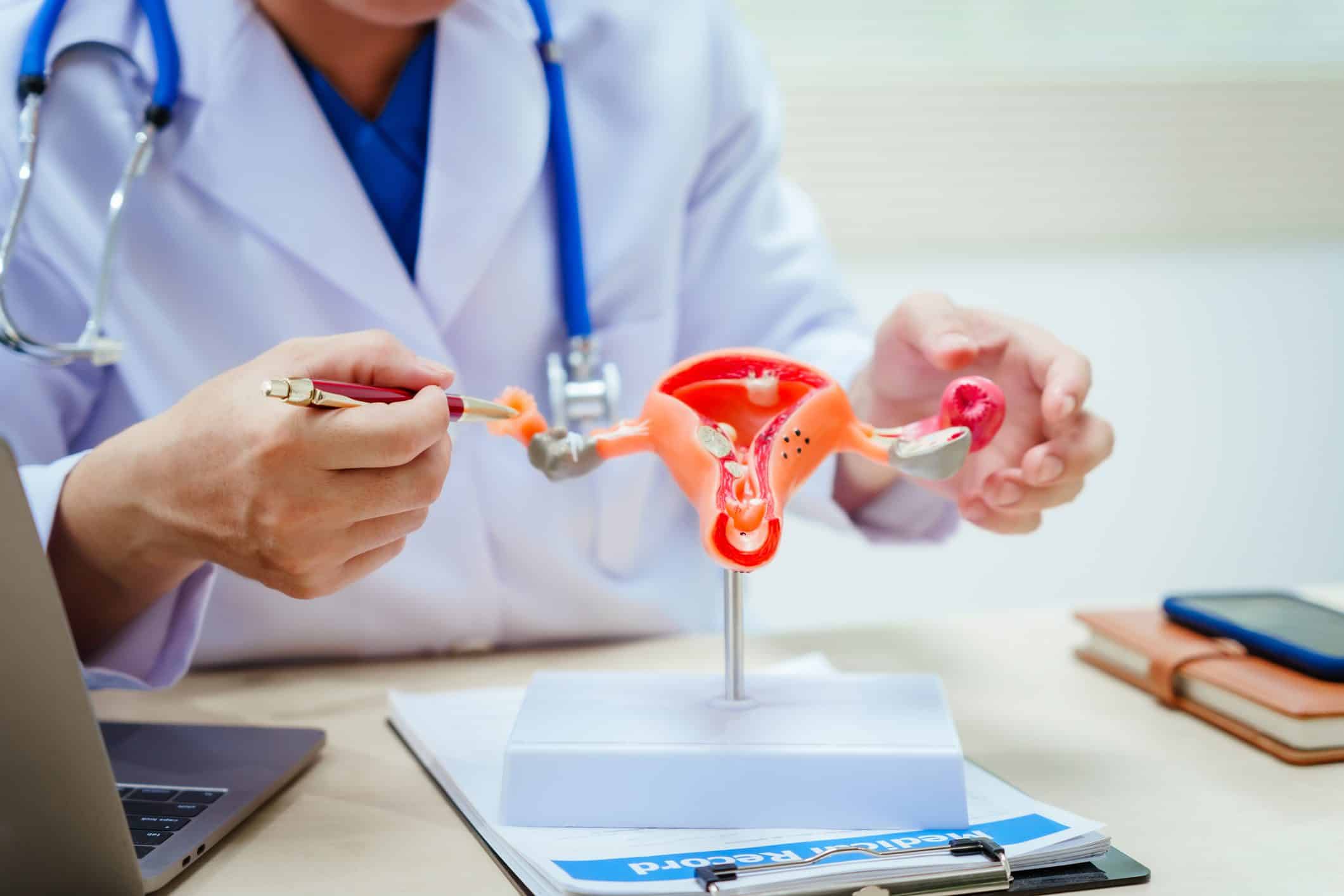
  • Stage 1 (Minimal) – There are small patches of tissue and little to no scarring.
  • Stage 2 (Mild) – There are more implants of tissue and some scarring.
  • Stage 3 (Moderate) – There’s deeper tissue growth, and cysts may form on the ovaries.
  • Stage 4 (Severe) – There’s widespread tissue growth, large cysts, and severe scarring that may stick organs together.

Our Endometriosis Treatment Options

While there’s currently no cure for endometriosis, there are effective ways to manage the symptoms and pain. Your endometriosis treatment plan will depend on your age, the severity of your symptoms, and whether you want to have children. Sussex Premier Health offers:

  • Pain Medication – Our recommendations include anti-inflammatories like ibuprofen to help ease the pain.
  • Hormone Treatment – The contraceptive pill, the coil, or other hormones can limit the build-up of tissue and stop it from bleeding.
  • Surgery – If medicine doesn’t help, we can perform surgery to remove or destroy areas of endometriosis tissue. This is often done during a laparoscopy.
  • Hysterectomy – In severe cases, and usually as a last resort for women who don’t want children, we may consider surgery to remove the womb.

Contact Our Medical Experts in Sussex Today

You don’t have to live with severe pain or heavy periods. If you suspect you might have endometriosis or are unhappy with your current management plan, let Sussex Premier Health’s gynaecologists relieve your symptoms. Contact us in Sussex today to schedule a consultation.

Interested in finding out more?

Speak to a member of our team

Phone01424 757400


Date of Birth:


Nature of Request:
Funding Option:


Email:
SMS:

Enquiry form

DD slash MM slash YYYY

Marketing Information
Sussex Premier Health would like to provide you with marketing information about products and services offered by Sussex Premier Health and by selected third-party partners. If you do not consent for us to process your personal data for marketing activities, we will still be able to contact you about your enquiry.
Please tick the box(es) to confirm your consent to receive marketing information from Sussex Premier Health:

Section Break

Marketing

We may contact you by email, SMS or phone about your enquiry. If we try to contact you by phone (mobile and/or landline) and you are not available, we may leave you a voicemail message. We may also use your details to contact you about patient surveys we use for improving our service or monitoring outcomes, which are not a form of marketing.

Section Break